

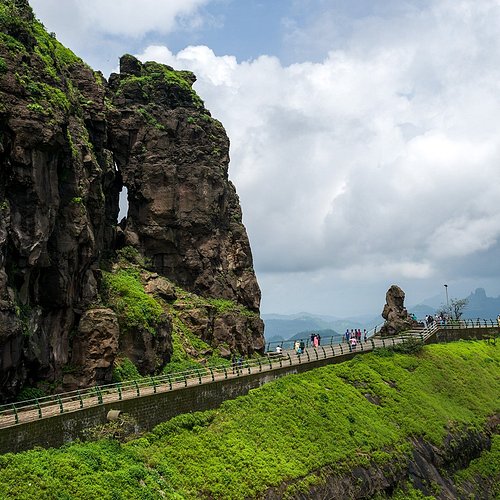
If you ask a Punekar when their city looks its absolute best, they will answer without hesitation: during the monsoon.
By August, the torrential downpours of July settle into a gentle, continuous drizzle (rimjhim), wrapping the Western Ghats in a lush blanket of emerald green. The air grows crisp, the hills come alive with cascading waterfalls, and the city takes on a cozy, atmospheric charm.
Whether you are a nature lover, a road-tripper, or a history enthusiast, here is why you should visit Pune in August.
1. The Sahyadri Hills Turn into a Green Paradise
August turns the Sahyadri mountain range surrounding Pune into a hiker’s dream. The mist rolls over the peaks, and dozens of seasonal waterfalls spring to life.
Sinhagad Fort: A short drive from the city, trekking up Sinhagad Fort in August means walking through clouds. Reward yourself at the top with hot kanda bhajji (onion fritters) and fresh pithla bhakri served in traditional earthen pots.
Tamhini Ghat & Mulshi: Driving down the winding roads of Tamhini Ghat toward Mulshi is an experience in itself. Surrounded by dense fog and overflowing streams, it is one of the most scenic road trips in Western India.
2. Tranquil Eco-Resorts and Monsoon Getaways
If you prefer unwinding in nature without heavy trekking, August is prime time for a peaceful staycation.
The countryside surrounding Pune—especially around Mulshi and the Sahyadri foothills—is home to serene eco-resorts like Camp Temgarh. Nestled in private, forested valleys, these retreats let you wake up to the sound of rain on cottage roofs, stroll along swollen streams, and sip hot chai while watching the mist drift over the hills. It is the ultimate antidote to city burnout.
3. Perfect Weather for Heritage Walks
While heavy rains can disrupt sightseeing in other coastal cities, Pune’s August weather is usually ideal for stepping out. The temperatures hover comfortably around 22°C to 26°C, making it delightful to explore the city’s rich Maratha history.
Spend a quiet, overcast afternoon exploring:
Shaniwar Wada: The iconic 18th-century seat of the Peshwas.
Aga Khan Palace: A serene historical site with sprawling, rain-washed gardens.
Pataleshwar Cave Temple: An 8th-century rock-cut temple carved from a single basalt rock.
4. The Iconic Monsoon Food Culture
Pune takes its rainy season food seriously. August mornings are made for sitting at an Irani café like Cafe Goodluck with a hot cup of chai and a buttery bun maska.
For lunch, nothing beats a piping hot plate of authentic, spicy Puneri Misal—the perfect comfort food for a chilly, drizzly afternoon.