

Maharashtra is a state of dramatic geography, deep history, and vibrant culture. Bordered by the Arabian Sea on the west and anchored by the Sahyadri mountain range running parallel to its coastline, Maharashtra offers a rich landscape that spans bustling metropolises, ancient rock-cut cave temples, impregnable hill fortresses, serene wildlife reserves, and sun-drenched coastal villages.
Whether you are seeking high-altitude monsoon treks, quiet heritage walks, or a peaceful escape into the woods, this comprehensive guide covers 50 of the finest destinations to visit across Maharashtra, complete with a detailed highlight of Camp Temgarh Nature Resort in Pune.
1. Urban Metropolises & Historical Cultural Hubs
1. Mumbai
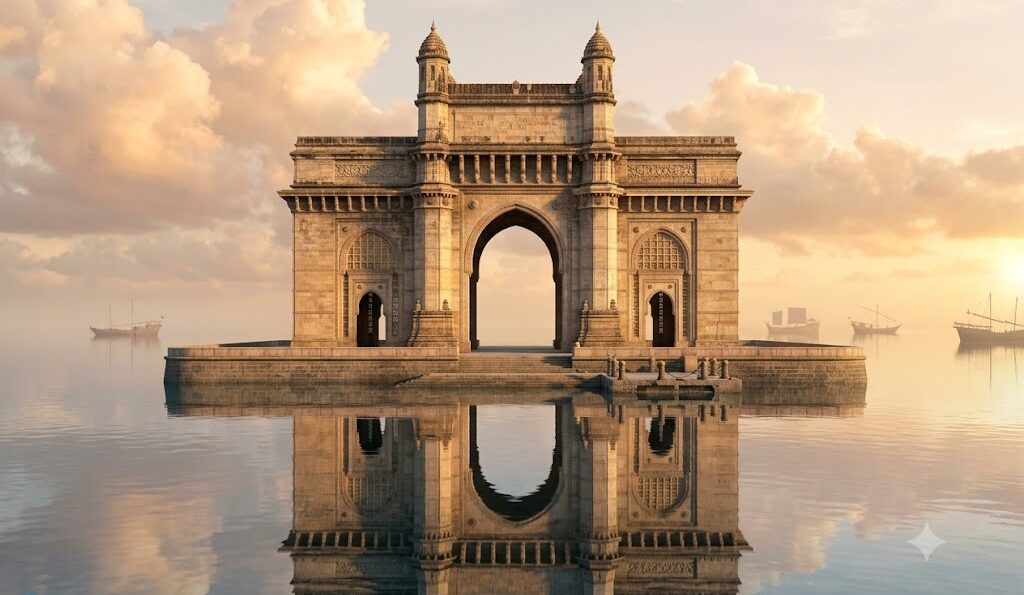
Maharashtra’s electric financial capital is a city of striking contrasts. Visitors can explore grand British colonial architecture at the Gateway of India and Chhatrapati Shivaji Maharaj Terminus (a UNESCO site), stroll along the curving crescent of Marine Drive, visit the iconic Haji Ali Dargah, and experience local life through vibrant markets like Crawford Market and Colaba Causeway.
2. Pune
Widely known as the cultural capital of Maharashtra, Pune blends rich Maratha history with a lively, youth-driven atmosphere. The city features historic landmarks such as Shaniwar Wada, the seat of the Peshwas, Aga Khan Palace, and the hilltop Sinhagad Fort. It is also famous for its traditional Maharashtrian cuisine, including Misal Pav and Puran Poli.
Also Read: Best Places to Visit in Pune in 2026
3. Nagpur
Located in the heart of central India, Nagpur is famous for its sweet oranges and its role as the winter capital of Maharashtra. Beyond its agricultural fame, the city serves as the primary international and domestic gateway to central India’s finest tiger sanctuaries, including Tadoba and Pench.
4. Nashik
Set along the sacred banks of the Godavari River, Nashik is one of the four host sites for the grand Kumbh Mela. It is packed with historic temples like Trimbakeshwar (one of the 12 Jyotirlingas) and Panchavati. In recent years, Nashik has also earned the title of India’s “Wine Capital,” thanks to rolling vineyard estates like Sula and York.
5. Kolhapur
Situated on the banks of the Panchganga River, Kolhapur is steeped in royal heritage and spiritual significance. The historic Mahalakshmi (Ambabai) Temple draws pilgrims from across the nation, while the New Palace museum showcases royal artifacts. Kolhapur is equally famous for its handcrafted leather Kolhapuri chappals and spicy Tambda and Pandhra Rassa curries.
6. Chhatrapati Sambhajinagar (Aurangabad)
A major historic hub, this city is home to Bibi Ka Maqbara—often referred to as the “Taj of the Deccan” due to its architectural resemblance to the Agra landmark. It also features the 17th-century water mill Panchakki and acts as the central base for tourists exploring the World Heritage sites of Ajanta and Ellora.
7. Solapur
Located near the border of Karnataka, Solapur is rich in textile manufacturing traditions, particularly famous for its handcrafted Solapuri towels and bedsheets. Key attractions include the Siddheshwar Temple, located on a lake, and the nearby Great Indian Bustard Sanctuary.
2. UNESCO Heritage Sites & Ancient Rock-Cut Caves
8. Ajanta Caves
A World Heritage site consisting of 29 rock-cut Buddhist cave monuments dating from the 2nd century BCE to the 5th century CE. Tucked inside a horseshoe-shaped ravine, Ajanta is world-renowned for its exquisite wall paintings, murals, and detailed stone sculptures depicting the Jataka tales.
9. Ellora Caves
Spanning 34 caves dedicated to Hindu, Buddhist, and Jain traditions, Ellora stands as a monument to ancient religious tolerance and architectural brilliance. The jewel of the complex is Cave 16: the Kailasa Temple, a monolithic structure carved top-down from a single massive rock face.
10. Elephanta Caves
Located on Elephanta Island in the Mumbai Harbor, a short ferry ride from the Gateway of India, these 5th-to-8th-century rock-cut caves feature dramatic basalt stone carvings dedicated to Lord Shiva, including the famous 20-foot-high Trimurti relief.
11. Karla & Bhaja Caves
Located near Lonavala, these ancient Buddhist rock-cut shrines date back to the 2nd century BCE. Karla features one of the largest and best-preserved rock-cut prayer halls (chaityagriha) in India, supported by grand stone pillars and intricate vaulting.
12. Kanheri Caves
Nestled deep within the forested expanse of Sanjay Gandhi National Park in Mumbai, Kanheri contains over 100 rock-cut basalt dwellings used by Buddhist monks between the 1st century BCE and the 10th century CE for study, meditation, and shelter.
13. Bedse Caves
A quiet, lesser-known pair of caves near Pune dating back to the 1st century BCE. Known for their simple elegance, Bedse features a striking facade with four pillars adorned with carved elephants, horses, and riders.
3. Picturesque Hill Stations of the Sahyadri & Satpura
14. Mahabaleshwar
Situated high in the Western Ghats, Mahabaleshwar is famed for its cool mountain climate, expansive evergreen forests, and strawberry plantations. Major viewpoints like Arthur’s Seat and Lodwick Point offer dramatic drop-offs into the Krishna Valley below, while Venna Lake offers boating under the trees.
15. Panchgani
Located just below Mahabaleshwar, Panchgani gets its name from the five surrounding hills. It is famous for Table Land—a massive flat volcanic plateau offering panoramic views—as well as colonial-era boarding schools and sweet-producing factories.
16. Matheran
Recognized as Asia’s only vehicle-free hill station, Matheran preserves an old-world tranquility where transport is limited to walking, horseback, or hand-pulled rickshaws. Red dirt paths, shaded forest trails, and dramatic lookout points like Panorama Point define the experience.
17. Lonavala & Khandala
Located along the Mumbai-Pune Expressway, these twin hill stations are popular weekend escapes. During the monsoon season, the surrounding valleys fill with dense fog, lush greenery, and cascading waterfalls near Pawna Lake and Bhushi Dam.
18. Igatpuri
A serene mountain town in Nashik district, Igatpuri is surrounded by some of the highest peaks in the Sahyadris. It is widely recognized for hosting the Dhammagiri Vipassana International Academy, an international center for Vipassana meditation set against quiet green hills.
19. Chikhaldara
The premier hill station of the Vidarbha region, located in Amravati district. Set at an altitude of over 1,000 meters, Chikhaldara features coffee plantations, deep valleys, high cliffs, and direct access to the surrounding Melghat Tiger Reserve.
20. Lavasa
A privately planned hill resort township designed along the lines of the Italian town of Portofino. Set along the backwaters of Warasgaon Dam, Lavasa features colorful street facades, watersports, and lakeside promenades.
21. Jawhar
A tribal hill station located in Palghar district, famous for its rich tradition of Warli painting. Jawhar boasts scenic highlights like the Jai Vilas Palace, Shirpamal, and the roaring Dabhosa Waterfall.
22. Bhandardara
A peaceful lakeside village set around Arthur Lake and Wilson Dam. Bhandardara is known for its quiet starry nights, views of Mount Kalsubai (Maharashtra’s highest peak), and the famous early-summer Firefly Festival.
4. Pristine Beaches & Coastal Konkan Villages
23. Alibaug
A coastal getaway accessible via speedboats and ferries from Mumbai. Alibaug features sandy beaches like Varsoli and Nagaon, coastal seafood eateries, and the historic sea fort of Kolaba, accessible by foot during low tide.
24. Ganpatipule
Located in Ratnagiri district, Ganpatipule is famous for its clean, white-sand coastline backed by coconut groves. At the edge of the shore stands the 400-year-old Swayambhu (self-manifested) Ganesha Temple, a major pilgrimage destination.
25. Tarkarli
A premier coastal village along the Malvan region, known for its clear ocean waters and white sandy beaches. Tarkarli offers water sports, scuba diving, snorkeling along shallow coral reefs, and traditional Malvani seafood cuisine.
26. Kashid
Situated between Murud and Alibaug, Kashid Beach is celebrated for its soft golden sand, high waves suitable for casual surfing, and casuarina orchards lining the shoreline.
27. Guhagar
A tranquil beach town located between the Vashishti River and the Jaigad Creek. Guhagar offers uncrowded beaches, traditional Konkani home-stays, and ancient shrines tucked away in tropical cashew and betel nut plantations.
28. Dapoli
Often called “Mini Mahabaleshwar” due to its cool breeze and elevated coastal climate, Dapoli offers historical sea forts, pristine beaches like Murud and Anjarle, hot springs, and seasonal dolphin-sighting boat tours.
29. Murud-Janjira
A coastal destination famous for the island sea fortress of Janjira. Rising directly out of the Arabian Sea, this marine fort features massive stone walls that remained undefeated against multiple historical naval sieges.
30. Harihareshwar
Flanked by four sacred hills, Harihareshwar is a popular coastal destination known as Devghar (House of God). It features an ancient Shiva temple, a unique rocky shore walk (pradakshina route), and quiet beaches.
31. Velas
A small eco-tourism village famous for its community-led conservation efforts. Every year between February and April, Velas hosts the Turtle Festival, where visitors can watch Olive Ridley turtle hatchlings make their journey to the ocean.
5. Mountain Fortresses & Maratha Citadel Ruins
32. Raigad Fort
The mountain citadel that served as the capital of the Maratha Empire under Chhatrapati Shivaji Maharaj. Perched high on a steep hill, visitors can either trek up the stone stairs or take a ropeway to inspect the grand coronation hall, royal quarters, and sweeping views of the Sahyadri range.
33. Pratapgad Fort
Located near Mahabaleshwar, this historic fort was the site of the famous encounter between Chhatrapati Shivaji Maharaj and Afzal Khan. The fort features double-walled fortifications, scenic bastions, and a prominent bronze statue of the Maratha ruler.
34. Shivneri Fort
Located near Junnar, Shivneri is the historic birthplace of Chhatrapati Shivaji Maharaj. The hill fort features seven fortified security gates, ancient water cisterns (Badami Talav), and preserved monuments commemorating his early childhood.
35. Rajmachi Fort
A popular trekking route located between Lonavala and Karjat, Rajmachi consists of two twin fortresses—Shrivardhan and Manaranjan. It offers panoramic views of the surrounding valley, especially during the monsoon when the hills are carpeted in green.
36. Torna Fort
Also known as Prachandagad due to its massive size, Torna is the highest hill fort in the Pune district. Captured by Shivaji Maharaj at the age of 16, it remains a favorite for trekkers looking for ridge walks and sweeping mountain vistas.
37. Lohagad Fort
A well-preserved hill fort near Lonavala that overlooks Pawna Lake. Lohagad features four consecutive fortification gates (Ganesh, Narayan, Hanuman, and Maha Darwaja) and a long, narrow cliff projection known as Vinchu Kata (Scorpion’s Sting).
38. Harishchandragad
An ancient hill fort in the Ahmednagar region, famous for its 6th-century rock-cut caves, the Kedareshwar Cave with its single-supported Shiva Lingam, and the Konkan Kada—a massive, overhang cliff face that drops steeply into the Konkan plains.
39. Daulatabad Fort (Devagiri)
Located near Chhatrapati Sambhajinagar, this 12th-century fortress sits atop a conical hill. It is legendary for its strategic defenses, including a moat, heavy iron gates, and a dark, winding subterranean passage (Bhool Bhulaiyaa) designed to confuse invaders.
40. Suvarnadurg
A marine fort located on a rocky island off the coast of Harnai in Dapoli. Built to bolster the Maratha naval power, the fort features thick stone walls carved with motifs of tigers and elephants, accessible via short local boat rides.
6. National Parks, Tiger Reserves & Nature Reserves
41. Tadoba-Andhari Tiger Reserve
Maharashtra’s oldest and largest national park, located in Chandrapur district. Tadoba is famous for its high density of Bengal tigers, leopards, sloth bears, and wild dogs (dholes), offering open-top jeep safaris through dry deciduous teak forests.
42. Pench National Park
Spanning the border between Maharashtra and Madhya Pradesh, Pench’s teak forests and river courses provided the backdrop for Rudyard Kipling’s classic The Jungle Book. Safaris here reveal tigers, leopards, chital, and over 280 bird species.
43. Sanjay Gandhi National Park
A unique 100-square-kilometer protected forest situated entirely within the urban limits of Mumbai. It supports a wild leopard population, spotted deer, rusty-spotted cats, and dense canopy cover, alongside the historic Kanheri Caves.
44. Radhanagari Wildlife Sanctuary
Located in the Southern Western Ghats near Kolhapur, this UNESCO World Heritage natural site is a vital corridor for wildlife. It is particularly renowned as a sanctuary for the Indian Bison (Gaur).
45. Melghat Tiger Reserve
Situated in the Satpura hill range of Amravati district, Melghat was among the first nine tiger reserves notified under Project Tiger in 1973. It features deep ravines, flowing mountain streams, and diverse flora.
46. Bhigwan
A quiet town situated along the backwaters of the Ujani Dam on the Bhima River. Often called the “Bharatpur of Maharashtra,” Bhigwan is a premier birdwatching location, hosting thousands of migratory Greater Flamingos every winter alongside ducks, herons, and raptors.
7. Geological Wonders & Seasonal Landscapes
47. Kaas Plateau
Recognized as a UNESCO World Natural Heritage site, this volcanic rock plateau near Satara transforms into a vibrant carpet of pink, purple, yellow, and white wildflowers after the monsoon rains between August and October.
48. Lonar Crater Lake
Located in Buldhana district, Lonar is a hyper-velocity meteorite impact crater formed during the Pleistocene Epoch. It is the world’s only known meteorite impact crater in basaltic rock, featuring a saline-alkaline lake within its green rim.
49. Malshej Ghat
A high mountain pass in the Western Ghats known for its misty valleys, cascading roadside waterfalls, and rich birdlife—including seasonal flocks of pink flamingos that nest near the Pimpalgaon Joga Dam.
50. Camp Temgarh Nature Resort, Pune
Tucked away in the Western Ghats along the road connecting Pune to Lavasa in the Mulshi region, Camp Temgarh offers a rustic sanctuary for nature lovers, families, and weekend travelers seeking peace. Set in a green basin enclosed by rolling hills, Camp Temgarh is designed not as a commercial concrete hotel, but as an open country farmhouse retreat.
Location & Ambiance
Situated roughly 30 kilometers from Pune city, Camp Temgarh sits in Watunde village within the Mulshi Taluka. The property is framed by fruit orchards, open green lawns, and native flora. A short 200-meter walk leads guests directly to the banks of the Temgarh River, where clear running water and shady banks provide a peaceful spot for morning strolls or quiet relaxation.